
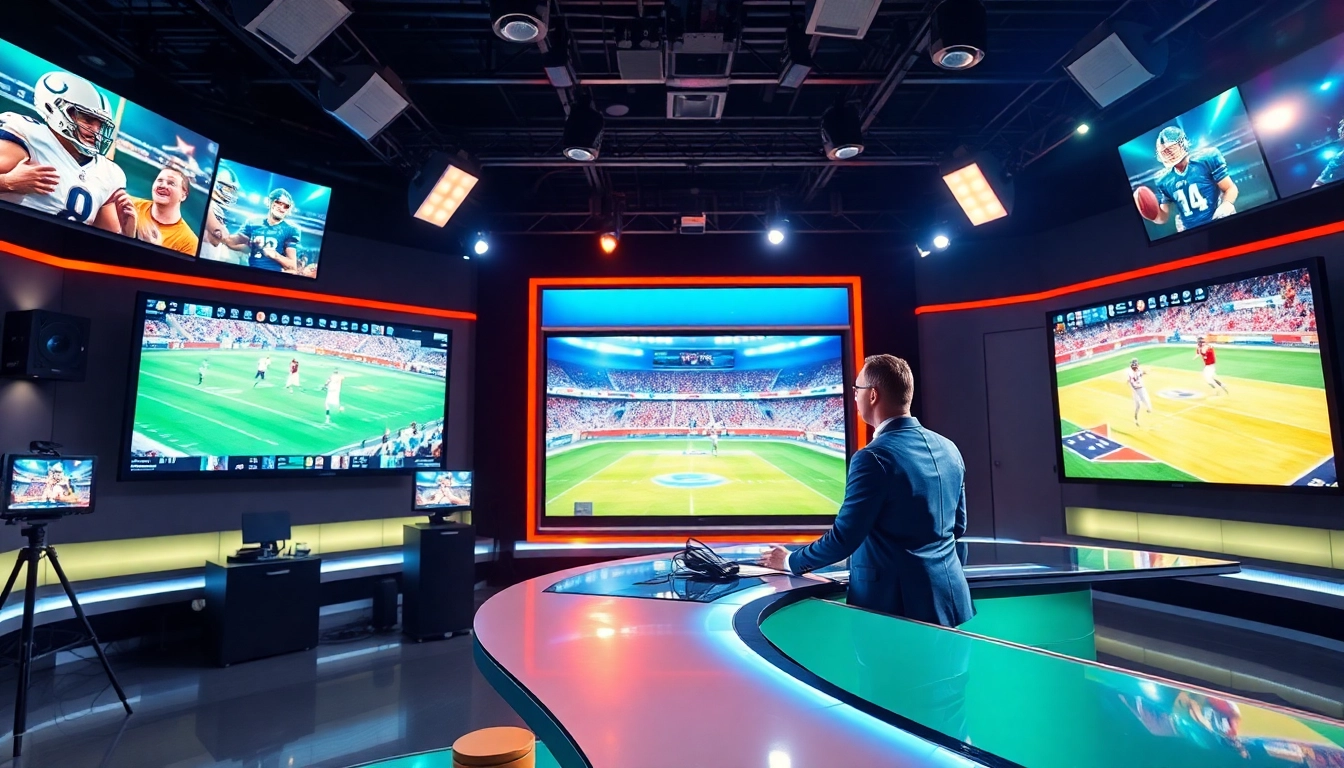
Understanding Sports Broadcasting
What is Sports Broadcasting?
Sports broadcasting encompasses the transmission of live sports events via television, radio, or digital platforms. It combines the art of storytelling with the excitement of real-time action, delivering dynamic coverage to fans worldwide. The importance of this medium can be seen in its ability to engage audiences, foster a sense of community, and enhance the overall sports experience. With the rapid evolution of technology, Sports Broadcasting continues to adapt, offering fresh formats and interactivity that resonate with today’s viewers.
History and Evolution of Sports Broadcasting
The roots of sports broadcasting can be traced back to the early 20th century with radio broadcasts of significant sports events. As technology advanced, television became the dominant medium in the 1950s, bringing sports into the living rooms of millions. Key milestones include the introduction of instant replays, color broadcasting, and remote broadcast techniques that enhanced viewer experience. The 21st century has seen the emergence of online streaming platforms, social media, and mobile applications, revolutionizing how fans consume sports content.
The Importance of Sports Broadcasting Today
In today's digital landscape, sports broadcasting plays a crucial role in connecting fans with their favorite teams and athletes. It drives economic growth through advertising, sponsorship deals, and rights negotiations. Furthermore, it fosters loyalty among audiences, with fan engagement strategies that enhance the viewing experience. The interplay between traditional and digital platforms has reshaped the sports industry's economic framework, making broadcasting a vital element of contemporary sports culture.
Key Components of Sports Broadcasting
Essential Equipment for Sports Broadcasting
Effective sports broadcasting relies heavily on advanced equipment to capture and transmit high-quality content. Essential tools include high-definition cameras, specialized microphones, and broadcasting software. Camera placement, from fixed to drones, allows for dynamic angles that enhance storytelling. Additionally, control rooms equipped with switchers and graphics systems ensure seamless integration of various feeds, vital for live events.
Roles in a Broadcasting Team
The success of any sports broadcast hinges on a well-coordinated team. Key roles include the play-by-play announcer, who provides a dynamic narrative of the action, and analysts, who offer expert insights and commentary. Technical staff manage equipment and ensure quality control during broadcasts. Each team member's contributions, from producers to camera operators, are vital for delivering a cohesive and engaging viewing experience.
Understanding Broadcasting Formats
Sports broadcasting utilizes various formats adapted to audience preferences and technological advancements. Traditional broadcasts, such as linear TV and radio, coexist with on-demand streaming and social media coverage. Each format presents unique challenges and opportunities, offering broadcasters multiple avenues to engage viewers. Understanding these formats allows broadcasters to tailor their strategies effectively, ensuring they meet diverse audience expectations.
Techniques for Effective Sports Broadcasting
Engaging Presentation Styles
Establishing an engaging presentation style is paramount for captivating audiences. Broadcasters utilize storytelling techniques, incorporating personal anecdotes and historical context into their commentary. Enthusiastic delivery, clear articulation, and pacing play a significant role in keeping viewers entertained and informed. The combination of a strong on-screen presence, visual enthusiasm, and relatable language can transform a sports event into a memorable experience.
Using Technology in Sports Broadcasting
Today's sports broadcasting leverages cutting-edge technology to enhance viewer engagement. Augmented reality and data visualization tools are increasingly used to provide in-depth analysis of games. Interactive features like live polls and social media integration allow viewers to participate in broadcasts actively. As technology advances, broadcasters must remain agile, adapting to new innovations that can elevate the viewing experience.
Real-time Audience Engagement Strategies
Real-time audience engagement strategies are critical for modern sports broadcasting. Utilizing platforms like Twitter, Instagram, and TikTok allows broadcasters to create dialogue with fans during events. Live tweets, player interactions, and behind-the-scenes content foster a sense of community among viewers. By responding to audience feedback, broadcasters can create personalized experiences that resonate beyond the screen.
Challenges in Sports Broadcasting
Adapting to Technological Changes
While technology opens new avenues for sports broadcasting, it also poses challenges. Broadcasters must continuously adapt to new technologies and viewer habits to maintain relevance. This requires ongoing training for personnel and investment in the latest equipment and software. Those who can pivot quickly to incorporate new tools and methods will position themselves successfully within the competitive landscape of sports broadcasting.
Dealing with Live Event Uncertainties
Live sports events are inherently unpredictable, with various factors affecting broadcast quality. Delays, weather conditions, and technical failures can disrupt the flow of a broadcast. To mitigate these issues, broadcasters need contingency plans and robust backup systems. An adaptive mindset is crucial for addressing sudden changes, allowing teams to maintain professionalism under pressure and deliver consistent content to their audiences.
Addressing Audience Expectations
With the proliferation of content and platforms available, audience expectations have dramatically risen. Viewers demand high-quality production values, immediate updates, and interactive features. To meet these expectations, broadcasters must invest in technology and training, ensuring their teams are skilled in delivering immersive experiences. Gathering audience feedback and analyzing viewership data are essential to stay aligned with audience preferences.
Future Trends in Sports Broadcasting
The Rise of Streaming Platforms
The rise of streaming platforms has dramatically reshaped the sports broadcasting landscape. Viewers increasingly prefer on-demand access to content, leading traditional broadcasters to innovate. Many networks are now launching their streaming services, offering exclusive content and tailored viewing experiences. This trend illuminates the need for flexibility and adaptability in broadcast strategies, allowing broadcasters to capture evolving audience behavior.
Audience Interactivity and Personalization
As technology advances, audience interactivity and personalization become vital components of sports broadcasting. Innovations allow fans to customize their viewing experiences, choosing camera angles, audio feeds, and supplementary content. This shift toward personalization enhances viewer engagement, fostering a deeper connection to events and teams. Broadcasters must focus on these innovative strategies to keep pace with the changing expectations of audiences.
Innovations in Broadcasting Technology
Emerging broadcasting technologies continue to shape the industry. High-definition broadcasts, 360-degree cameras, and AI-driven analytics are set to revolutionize how audiences engage with sports. These technologies enhance storytelling capabilities, allowing for a more immersive experience. By embracing these innovations, broadcasters can stay relevant and competitive in an ever-evolving landscape.
Frequently Asked Questions
What is the role of a sports broadcaster?
A sports broadcaster narrates live events, analyzing plays and conveying essential information to enhance viewer engagement. They often work in teams that include producers, analysts, and technical staff, each crucial for a smooth broadcast.
How has technology affected sports broadcasting?
Technology has transformed sports broadcasting by enabling high-quality visuals, real-time statistics, and interactive features. Streaming platforms create more personalized experiences, reshaping audience engagement and consumption patterns.
What challenges do sports broadcasters face?
Sports broadcasters face various challenges, including adapting to rapid technological changes, managing live event uncertainties, and meeting heightened audience expectations for quality and interactivity.
How is audience engagement achieved in sports broadcasting?
Audience engagement is achieved through interactive features, social media interactions, and real-time audience feedback. This creates a community feel and ensures fans remain involved in the experience.
What future trends should we expect in sports broadcasting?
Future trends in sports broadcasting include the rise of streaming platforms, increased audience interactivity and personalization, and innovative broadcasting technologies like AR and AI analytics, changing the viewer experience.