
Why Ceramic Window Tint is Essential for Your Vehicle’s Comfort and Style
Understanding Ceramic Window Tint
What is Ceramic Window Tint?
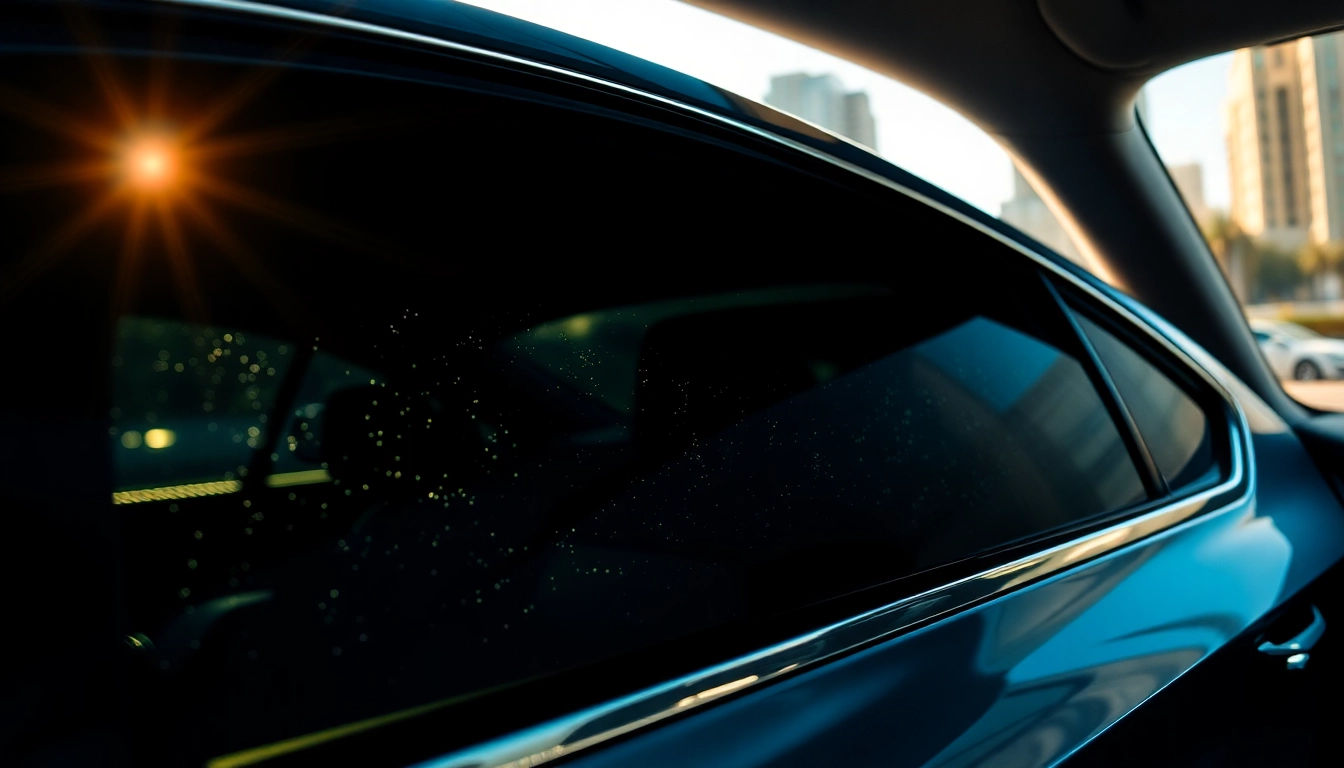
Ceramic window tint is an advanced type of film made primarily from ceramic particles, which is known for its superior heat rejection and UV protection properties. Unlike traditional window tint films that may use dyes or metals, ceramic window tint has no metal content, making it a popular choice for those who seek to enhance their vehicle’s aesthetics while ensuring comfort and safety. This tint works by reflecting heat away from the vehicle, thereby maintaining a cooler interior environment and reducing the reliance on air conditioning. For car owners considering an upgrade, ceramic window tint represents a blend of functionality and style, promising a range of benefits that greatly improve the driving experience.
Benefits of Ceramic Window Tint
The benefits of ceramic window tint are manifold, making it an attractive option for vehicle owners. Here are some key advantages:
- Exceptional UV Protection: Ceramic window tint blocks up to 99% of harmful UV rays, providing protection for both passengers and the vehicle’s interior.
- Heat Rejection: This tint effectively reduces solar heat gain, helping maintain a comfortable temperature within the vehicle.
- Enhanced Privacy: Ceramic window tint provides an added layer of privacy without compromising visibility from the inside.
- Durability: Resistant to scratches and fading, ceramic tint is designed to last longer than traditional options.
- No Signal Interference: Unlike metallic tints that can interfere with GPS or cellular signals, ceramic tints are non-metallic, avoiding any disruptions.
Differences Between Tint Types
Understanding the differences between various window tint types is crucial for making an informed choice. The primary types include:
- Dyed Window Tint: Offers basic privacy and heat rejection but can fade over time and does not provide significant UV protection.
- Metalized Window Tint: Provides better heat rejection and durability but may interfere with electronic devices due to metal content.
- Carbon Window Tint: Utilizes carbon-rich film that offers good heat rejection and UV protection without signal interference, but is less effective than ceramic tint.
- Ceramic Window Tint: The pinnacle of window tinting technology, offering superior heat rejection, UV protection, and longevity without any interference.
Installation Process
Preparing Your Vehicle for Tinting
Before diving into the installation of ceramic window tint, it’s crucial to prepare your vehicle properly. Start by thoroughly cleaning the windows to remove any dirt and debris. This step ensures optimal adhesion of the tint film. Additionally, avoid tinting your windows under direct sunlight to prevent the film from drying too quickly, which can lead to bubbles or improper adhesion. Choosing a suitable location for the installation, such as a garage or shaded area, can enhance the overall outcome.
Finding a Professional Installer
While DIY installations are viable, seeking professional help can ensure a flawless application. When searching for a qualified installer, look for reviews, certifications, and previous work samples. A reputable professional should offer a warranty on their work and the film, highlighting their commitment to quality. Don’t hesitate to ask questions about the installation process and the types of products used, as this can provide insight into their expertise.
DIY Tinting: Pros and Cons
Installing ceramic window tint yourself can be appealing due to cost savings and the satisfaction of completing a project. However, it’s essential to weigh the pros and cons:
- Pros:
- Cost Savings: Avoid labor costs associated with professional installation.
- Flexibility: Perform the installation on your schedule.
- Satisfaction: Gain a sense of accomplishment from completing a DIY project.
- Cons:
- Risk of Mistakes: Improper installation can lead to bubbles, misalignment, and reduced effectiveness.
- Time-Consuming: DIY tinting can take longer than anticipated, especially for beginners.
- Limited Warranty: DIY installations often lack the warranties provided by professionals.
Performance and Longevity
How Long Does Ceramic Window Tint Last?
Ceramic window tint is acclaimed for its longevity, often lasting anywhere from 10 to 20 years, depending on factors such as maintenance and exposure to environmental conditions. Unlike traditional tints, which may fade or peel over time, the durable composition of ceramic tints allows them to withstand the rigors of daily use and harsh weather without significant degradation.
Factors Affecting Tint Durability
Several factors can influence the lifespan and performance of ceramic window tint, including:
- Quality of Film: Higher-quality films employ better materials, enhancing lifespan and performance.
- Installation Method: Professional installation is likely to yield better results than a DIY job.
- Environmental Exposure: Prolonged exposure to intense sunlight or extreme weather can affect durability.
- Maintenance: Regular cleaning and care will help prolong the life of the tint.
Maintenance Tips for Longevity
To maximize the lifespan of your ceramic window tint, follow these maintenance tips:
- Use a soft, non-abrasive cloth for cleaning to avoid scratching the film.
- Avoid ammonia-based cleaners, which can degrade the tint adhesive.
- Keep the windows rolled up for at least a few days after installation to ensure proper bonding.
- Regularly inspect the tint for any signs of damage or peeling.
Legal Considerations
Tinting Laws in Different States
Tinting laws can vary significantly by state, so it’s essential to be aware of the regulations governing window tinting in your area. Some states have strict rules regarding the darkness (visible light transmittance) and reflectivity of window tints. Familiarizing yourself with your state’s specific laws not only ensures compliance but also helps avoid potential fines.
Legal Tints vs. Illegal Tints
Legal tints generally adhere to state regulations regarding visible light transmission levels, meaning they allow a certain percentage of light to pass through. Illegal tints, on the other hand, exceed these levels and can lead to penalties if you are pulled over by law enforcement. It’s crucial to verify that the ceramic window tint meets legal specifications to avoid complications.
How to Ensure Compliance
To ensure your ceramic window tint complies with local laws, consider the following steps:
- Research the specific tinting laws in your area to understand the regulations.
- Consult with your installer about the legality of the tint levels they offer.
- Keep all documentation of your tinting purchase and installation in case you need to verify compliance.
Frequently Asked Questions
What are the advantages of ceramic window tint?
Ceramic window tint offers excellent UV protection, superior heat rejection, enhanced privacy, and durability, making it a popular choice for vehicle owners.
Can I install ceramic window tint myself?
While DIY installation is possible, professional installation is recommended to avoid mistakes and ensure a quality finish that lasts.
How does ceramic window tint affect visibility?
Ceramic window tint is designed to maintain visibility while providing privacy and heat rejection, allowing for clear views from inside the vehicle.
What is the average cost for ceramic window tint?
The cost for ceramic window tint installation typically ranges from $400 to $800, depending on the vehicle type and the quality of the film chosen.
Does ceramic window tint block UV rays?
Yes, ceramic window tint blocks up to 99% of harmful UV rays, protecting both passengers and vehicle interiors from sun damage.